جولة في غhetto وارسو
5 نجوم (119 تقييم)
Warsaw، Poland
معرض الصور
وصف الجولة
تعرّف على التاريخ المضطرب لإنشاء وتصفية أكبر غيتو في أوروبا. شاهد الأماكن الحقيقية التي نُفّذ فيها "الحل النهائي".
3 ساعة ساعات
ابتداءً من
399.21
(شامل ضريبة القيمة المضافة)
تأكيد سريع للحجز
تشمل الجولة
 Pick up from your hotel in the city center, licensed city tour
لا تشمل الجولة
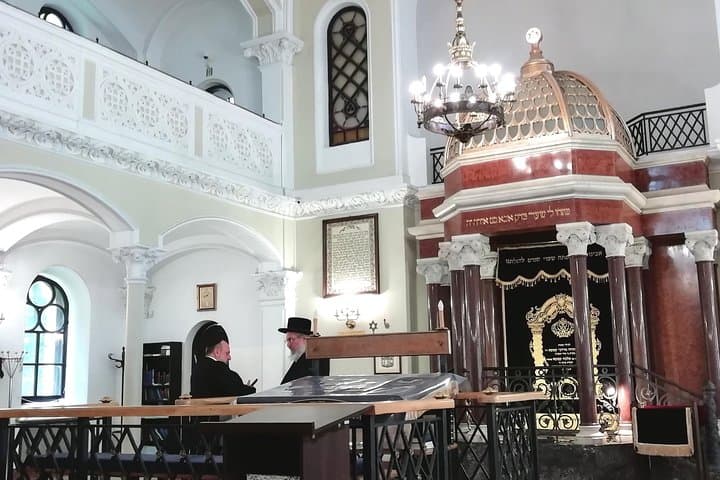
Nozyk Synagogue
برنامج الرحلة
⏱️المدة الإجمالية: 2 ساعة 10 دقيقة|9 محطات
🎟️ التذكرة غير مشمولة⏱️ 15 دقيقة
المحطة 1
They visit the only synagogue that survived the Second World War and is still in operation.
🎟️ غير قابل للتطبيق⏱️ 20 دقيقة
المحطة 2
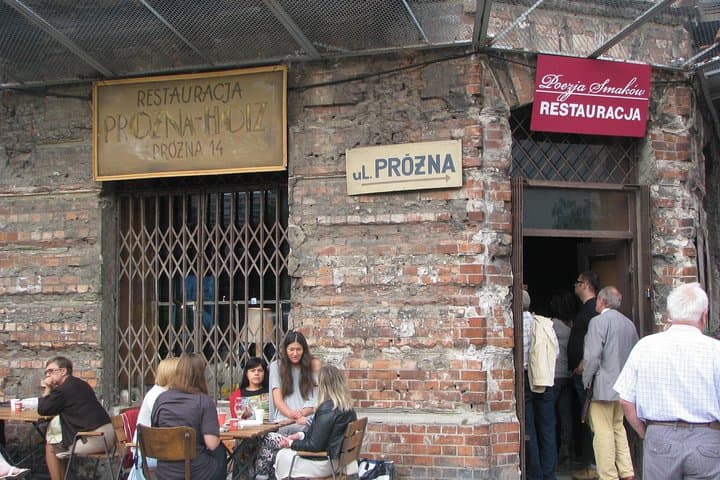
They explore the last surviving streets and neighborhoods within the ghetto.
🎟️ غير قابل للتطبيق⏱️ 15 دقيقة
المحطة 3
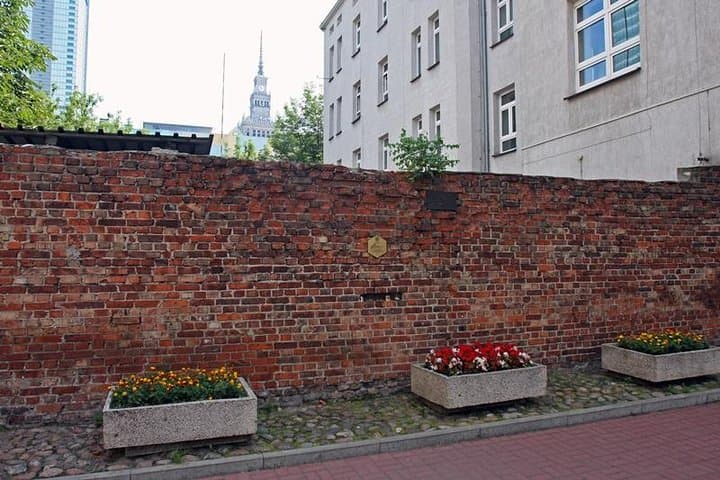
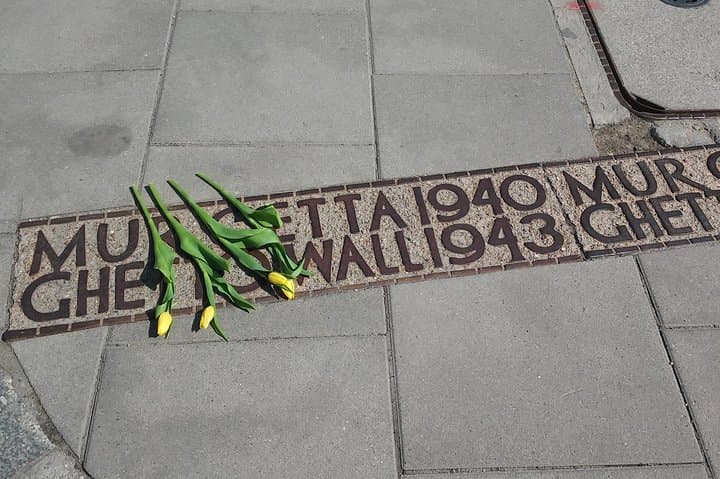
They see fragments of the ghetto wall and immerse themselves in the moving history of the Warsaw Ghetto. They learn everything about its origins, everyday life in the ghetto and the uprising in 1943 and learn more
🎟️ غير قابل للتطبيق⏱️ 20 دقيقة
المحطة 4
They stop at the point where the connecting bridge between the Small and the Big Ghetto, which became the symbol of the Warsaw ghetto, was located. They see the real places and hear the authentic stories, ia. by Władysław Szpilman, the title hero of the "pianist" by Roman Polański.
🎟️ غير قابل للتطبيق⏱️ 15 دقيقة
المحطة 5
They see the real places where the final solution plan has been put into practice. They learn more about the symbolic meaning of the Umschlagplatz and how the plan of the final solution of the Jewish question was put into action.
🎟️ غير قابل للتطبيق⏱️ 15 دقيقة
المحطة 6
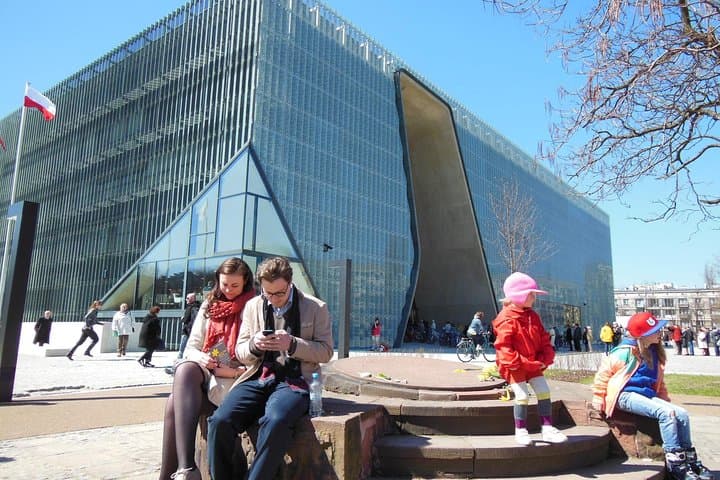
They move into the times of the heroic uprising in the Warsaw Ghetto. They learn what life was like in the ghetto, why the Jews took up arms and who helped. You will also be introduced to the symbolism of the Ghettohelden Memorial, where Willy Brandt performed his famous Kniefall and the POLIN Museum.
🎟️ غير قابل للتطبيق⏱️ 10 دقيقة
المحطة 7
They stop you at the spot where Willy Brandt made his famous knees.
🎟️ غير قابل للتطبيق⏱️ 10 دقيقة
المحطة 8
You will see the former location of the bunker at Miła Street. 18 and get to know the eventful history.
🎟️ غير قابل للتطبيق⏱️ 10 دقيقة
المحطة 9
Learn more about the Pawiak Prison.

سياسة الإلغاء
قياسي
لاسترداد كامل المبلغ، قم بالإلغاء قبل 24 ساعة على الأقل من موعد المغادرة المقرر.